We use AI in our own studio every day. We would be strange people to advise clients on deliberate AI adoption if we did not. What we do not do is let it make the decisions that require judgment, taste, or accountability. AI is a tool on the bench, like a sharp chisel or a good jig. It expands what a craftsman can do. It does not replace the craftsman.
That distinction is the whole thing, so it is worth being specific about where the line sits.
Where we let AI in
AI is genuinely useful for the parts of the work that benefit from a fast first pass. We use it to draft, to explore options quickly, to generate the boilerplate that would otherwise be tedious to type, to help investigate an unfamiliar error, and to summarize large amounts of material so a human can decide what matters. In those roles it earns its place. It makes a skilled person faster without changing who is responsible for the result.
The pattern is the same one we recommend to clients: assistance, not automation. The tool proposes. A person disposes. Every line it helps produce is read, understood, and owned by a human before it ships.
Where we keep it out
We keep AI away from the decisions that carry weight. Architecture, security, the shape of your data, the judgment calls about what should and should not be built. Those are not first-draft problems. They are the parts where being confidently wrong is expensive, and current AI is very good at being confidently wrong.
We also keep it out of the finish work. The careful review, the edge cases, the hidden joints. A model can help you reach a rough draft quickly. It cannot be trusted to decide the draft is done. That decision belongs to a person whose name is on the work.
Why the craftsman has to stay human
There is a failure mode we watch for, in our own work and our clients’. A tool that does the thinking, over time, produces people who can no longer do the thinking. Skills that are not exercised atrophy. An organization that hands its judgment to a model does not just risk a bad output today. It risks losing the capacity to recognize a bad output at all.
That is why human-strengthening is one of our stated commitments. Good software, and good use of AI, should expand what your people can do and leave them sharper. Software that quietly deskills the humans it serves is a bad trade, no matter how impressive the demo. We hold the same standard for ourselves. The AI makes us faster. It does not make us softer.
What this means for what we build you
When we build AI features into your software, the human stays in the loop by design, not as an afterthought. The system drafts, flags, sorts, and suggests. Your people decide, and stay accountable for the decision. That is not the timid version of AI. It is the durable version, the one you can still trust and understand in five years, which is the only kind we are interested in building.
A tool in the workshop, not the craftsman. We hold to it in our own work, and we build it into yours. If you want AI in your operation done that way, deliberately, with judgment kept where it belongs, that is exactly the work we do.
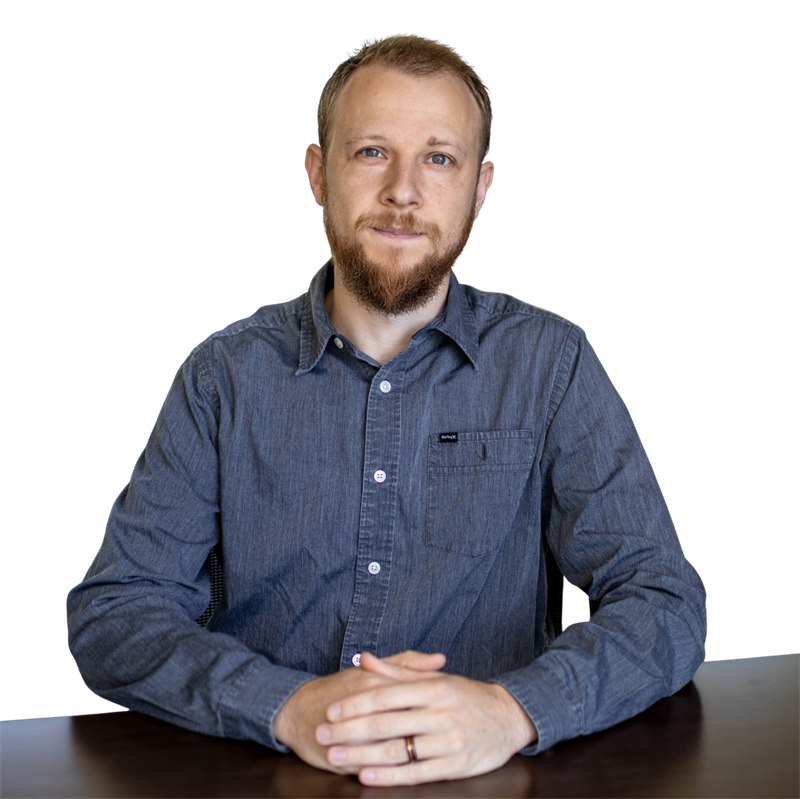
Written by
Miles Bassett
Founder and principal craftsman at Prairie Code. He writes and speaks on deliberate AI adoption for small businesses and institutions.